Buy future-mobility.eu ?
We are moving the project
future-mobility.eu .
Are you interested in purchasing the domain
future-mobility.eu ?
domain@kv-gmbh.de · 0541-91531010
Buy future-mobility.eu ?
How was mobility during the 1929 global economic crisis?
During the 1929 global economic crisis, mobility was severely impacted as unemployment rates soared and people struggled to find work. Many individuals and families were forced to migrate in search of employment opportunities, leading to significant internal and international migration flows. However, the lack of job prospects and economic hardship also led to a decrease in overall mobility for many, as people were unable to afford travel or relocation expenses. Overall, the 1929 global economic crisis had a significant impact on mobility, with both increased migration and decreased travel due to economic constraints. **
How will future mobility be influenced?
Future mobility will be influenced by advancements in technology, such as the development of autonomous vehicles and electric cars. These innovations will lead to more efficient and sustainable transportation options. Additionally, the integration of smart city infrastructure and the rise of shared mobility services will also play a significant role in shaping the future of mobility. Overall, future mobility will be characterized by increased connectivity, reduced environmental impact, and a shift towards more convenient and flexible transportation solutions. **


Similar search terms for Crisis
Top-Angebote
Products related to Crisis:
-
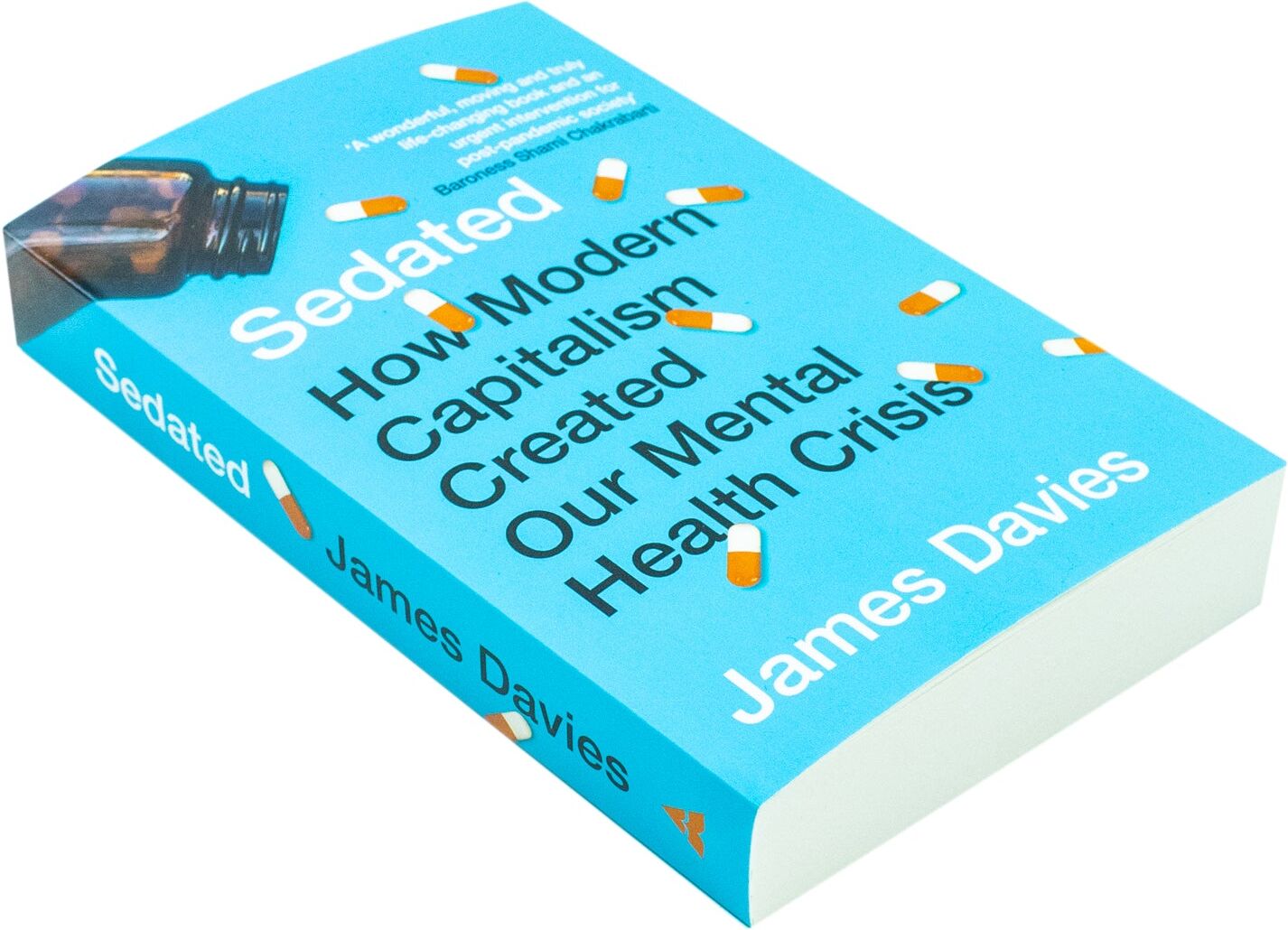
Atlantic Books Sedated: How Modern Capitalism Created our Mental Health Crisis by James DaviesA provocative and shocking look at how western society is misunderstanding and mistreating mental illness. Perfect for fans of Empire of Pain and Dope Sick. In Britain alone, more than 20% of the adult population take a psychiatric drug in any one year. This is an increase of over 500% since 1980 and the numbers continue to grow. Yet, despite this prescription epidemic, levels of mental illness of all types have actually increased in number and severity. Using a wealth of studies, interviews with experts, and detailed analysis, Dr James Davies argues that this is because we have fundamentally mischaracterised the problem. Rather than viewing most mental distress as an understandable reaction to wider societal problems, we have embraced a medical model which situates the problem solely within the sufferer and their brain. Urgent and persuasive, Sedated systematically examines why this individualistic view of mental illness has been promoted by successive governments and big business - and why it is so misplaced and dangerous.3,99 £*Shipping: 1,99 £Secure redirect to the provider
-
Uplifted Goods This Weeks Ban On Crisis Acrylic Desktop Sign bInject some humor into your professional environment with the This Weeks Ban on Crisis Acrylic Desktop Sign. This professional grade office accessory is meticulously engineered with high quality, crystal clear acrylic designed to provide a sleek and...34,97 $*Shipping: 0,00 $Secure redirect to the provider



-
Will bicycles be the mobility of the future?
Bicycles have the potential to be a significant part of the future of mobility. With increasing concerns about environmental sustainability and the need for more efficient and healthy modes of transportation, bicycles offer a promising solution. Cities around the world are investing in bike infrastructure and promoting cycling as a viable means of transportation. Additionally, the rise of electric bicycles and advancements in bike-sharing programs are making cycling more accessible and convenient. While bicycles may not be the sole solution to future mobility, they are likely to play a significant role in creating more sustainable and efficient transportation systems. **
-
What will mobility of the future look like?
The mobility of the future is expected to be more sustainable, connected, and autonomous. Electric vehicles will become more prevalent, reducing emissions and reliance on fossil fuels. Transportation systems will be interconnected, allowing for seamless travel between different modes of transportation. Autonomous vehicles will also play a significant role, offering safer and more efficient transportation options. Overall, the future of mobility will prioritize sustainability, efficiency, and convenience. **
-
How do electric motors work in electric mobility with cars?
Electric motors in electric cars work by converting electrical energy from the battery into mechanical energy to drive the vehicle. When the driver accelerates, the electric motor receives power from the battery and generates torque to propel the car forward. This process is more efficient than traditional internal combustion engines, as electric motors have fewer moving parts and can deliver power instantly. Additionally, electric motors can also act as generators during braking, converting kinetic energy back into electrical energy to recharge the battery, a process known as regenerative braking. **
-
What are some brainstorming ideas for electric mobility?
Some brainstorming ideas for electric mobility could include developing more efficient battery technology to increase the range of electric vehicles, creating a network of fast-charging stations to alleviate range anxiety, implementing incentives for consumers to switch to electric vehicles such as tax breaks or rebates, and investing in infrastructure improvements to support the widespread adoption of electric vehicles. Additionally, exploring the use of renewable energy sources to power electric vehicles and integrating smart technology to optimize charging times and energy usage could also be beneficial brainstorming ideas for electric mobility. **


What is the progress of electric mobility internationally?
Electric mobility has been making significant progress internationally, with many countries and cities implementing policies and incentives to promote the adoption of electric vehicles. Several major automakers have also committed to transitioning to electric vehicle production, and the infrastructure for electric vehicle charging is expanding rapidly. Additionally, there has been a growing focus on developing more sustainable and efficient battery technology to further support the growth of electric mobility. Overall, the international progress of electric mobility is promising, with increasing awareness and investment in this cleaner and more sustainable mode of transportation. **
How will the mobility of the future look like?
The mobility of the future is likely to be characterized by a shift towards electric and autonomous vehicles. Electric vehicles will become more prevalent as the technology improves and the infrastructure for charging stations expands. Autonomous vehicles will also play a significant role, offering a more efficient and safer mode of transportation. Additionally, there will be a greater emphasis on shared mobility services, reducing the need for individual car ownership and promoting a more sustainable and flexible transportation system. Overall, the future of mobility will be more connected, efficient, and environmentally friendly. **
Top-Angebote
Products related to Crisis:
-
Uplifted Goods This Weeks Ban On Crisis Acrylic Desktop Sign aInject some humor into your professional environment with the This Weeks Ban on Crisis Acrylic Desktop Sign. This professional grade office accessory is meticulously engineered with high quality, crystal clear acrylic designed to provide a sleek and...34,97 $*Shipping: 0,00 $Secure redirect to the provider
-
Atlantic Books Sedated: How Modern Capitalism Created our Mental Health Crisis by James DaviesA provocative and shocking look at how western society is misunderstanding and mistreating mental illness. Perfect for fans of Empire of Pain and Dope Sick. In Britain alone, more than 20% of the adult population take a psychiatric drug in any one year. This is an increase of over 500% since 1980 and the numbers continue to grow. Yet, despite this prescription epidemic, levels of mental illness of all types have actually increased in number and severity. Using a wealth of studies, interviews with experts, and detailed analysis, Dr James Davies argues that this is because we have fundamentally mischaracterised the problem. Rather than viewing most mental distress as an understandable reaction to wider societal problems, we have embraced a medical model which situates the problem solely within the sufferer and their brain. Urgent and persuasive, Sedated systematically examines why this individualistic view of mental illness has been promoted by successive governments and big business - and why it is so misplaced and dangerous.3,99 £*Shipping: 1,99 £Secure redirect to the provider
-
How was mobility during the 1929 global economic crisis?
During the 1929 global economic crisis, mobility was severely impacted as unemployment rates soared and people struggled to find work. Many individuals and families were forced to migrate in search of employment opportunities, leading to significant internal and international migration flows. However, the lack of job prospects and economic hardship also led to a decrease in overall mobility for many, as people were unable to afford travel or relocation expenses. Overall, the 1929 global economic crisis had a significant impact on mobility, with both increased migration and decreased travel due to economic constraints. **
-
How will future mobility be influenced?
Future mobility will be influenced by advancements in technology, such as the development of autonomous vehicles and electric cars. These innovations will lead to more efficient and sustainable transportation options. Additionally, the integration of smart city infrastructure and the rise of shared mobility services will also play a significant role in shaping the future of mobility. Overall, future mobility will be characterized by increased connectivity, reduced environmental impact, and a shift towards more convenient and flexible transportation solutions. **
-
Will bicycles be the mobility of the future?
Bicycles have the potential to be a significant part of the future of mobility. With increasing concerns about environmental sustainability and the need for more efficient and healthy modes of transportation, bicycles offer a promising solution. Cities around the world are investing in bike infrastructure and promoting cycling as a viable means of transportation. Additionally, the rise of electric bicycles and advancements in bike-sharing programs are making cycling more accessible and convenient. While bicycles may not be the sole solution to future mobility, they are likely to play a significant role in creating more sustainable and efficient transportation systems. **
-
What will mobility of the future look like?
The mobility of the future is expected to be more sustainable, connected, and autonomous. Electric vehicles will become more prevalent, reducing emissions and reliance on fossil fuels. Transportation systems will be interconnected, allowing for seamless travel between different modes of transportation. Autonomous vehicles will also play a significant role, offering safer and more efficient transportation options. Overall, the future of mobility will prioritize sustainability, efficiency, and convenience. **
Similar search terms for Crisis
-
Uplifted Goods This Weeks Ban On Crisis Acrylic Desktop Sign bInject some humor into your professional environment with the This Weeks Ban on Crisis Acrylic Desktop Sign. This professional grade office accessory is meticulously engineered with high quality, crystal clear acrylic designed to provide a sleek and...34,97 $*Shipping: 0,00 $Secure redirect to the provider
-
How do electric motors work in electric mobility with cars?
Electric motors in electric cars work by converting electrical energy from the battery into mechanical energy to drive the vehicle. When the driver accelerates, the electric motor receives power from the battery and generates torque to propel the car forward. This process is more efficient than traditional internal combustion engines, as electric motors have fewer moving parts and can deliver power instantly. Additionally, electric motors can also act as generators during braking, converting kinetic energy back into electrical energy to recharge the battery, a process known as regenerative braking. **
-
What are some brainstorming ideas for electric mobility?
Some brainstorming ideas for electric mobility could include developing more efficient battery technology to increase the range of electric vehicles, creating a network of fast-charging stations to alleviate range anxiety, implementing incentives for consumers to switch to electric vehicles such as tax breaks or rebates, and investing in infrastructure improvements to support the widespread adoption of electric vehicles. Additionally, exploring the use of renewable energy sources to power electric vehicles and integrating smart technology to optimize charging times and energy usage could also be beneficial brainstorming ideas for electric mobility. **
-
What is the progress of electric mobility internationally?
Electric mobility has been making significant progress internationally, with many countries and cities implementing policies and incentives to promote the adoption of electric vehicles. Several major automakers have also committed to transitioning to electric vehicle production, and the infrastructure for electric vehicle charging is expanding rapidly. Additionally, there has been a growing focus on developing more sustainable and efficient battery technology to further support the growth of electric mobility. Overall, the international progress of electric mobility is promising, with increasing awareness and investment in this cleaner and more sustainable mode of transportation. **
-
How will the mobility of the future look like?
The mobility of the future is likely to be characterized by a shift towards electric and autonomous vehicles. Electric vehicles will become more prevalent as the technology improves and the infrastructure for charging stations expands. Autonomous vehicles will also play a significant role, offering a more efficient and safer mode of transportation. Additionally, there will be a greater emphasis on shared mobility services, reducing the need for individual car ownership and promoting a more sustainable and flexible transportation system. Overall, the future of mobility will be more connected, efficient, and environmentally friendly. **
* All prices are inclusive of VAT and, if applicable, plus shipping costs. The offer information is based on the details provided by the respective shop and is updated through automated processes. Real-time updates do not occur, so deviations can occur in individual cases. ** Note: Parts of this content were created by AI.