Buy future-mobility.eu ?
We are moving the project
future-mobility.eu .
Are you interested in purchasing the domain
future-mobility.eu ?
domain@kv-gmbh.de · 0541-91531010
Buy future-mobility.eu ?
Are renewable resources the same as sustainable resources?
Renewable resources and sustainable resources are related concepts but not exactly the same. Renewable resources are those that can be replenished naturally over time, such as sunlight, wind, and water. Sustainable resources, on the other hand, refer to resources that are managed in a way that meets current needs without compromising the ability of future generations to meet their own needs. While renewable resources are often considered sustainable, not all sustainable resources are necessarily renewable, as some non-renewable resources can be managed in a way that ensures their long-term availability. **
What are renewable resources and renewable energies?
Renewable resources are natural resources that can be replenished or regenerated over time, such as sunlight, wind, and water. Renewable energies are forms of energy that are derived from these renewable resources and can be used to generate electricity or heat without depleting the Earth's finite resources. These sources of energy are considered sustainable and environmentally friendly alternatives to fossil fuels, as they produce lower levels of greenhouse gas emissions and have minimal impact on the environment. **


Similar search terms for Scholastic-Teaching-Resources-The
Top-Angebote
Products related to Scholastic-Teaching-Resources-The:
-
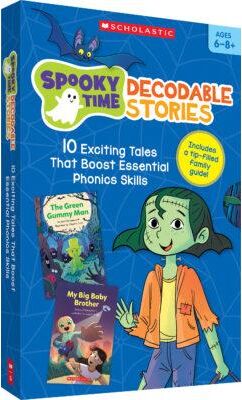
Scholastic Teaching Resources Spooky Time Decodable StoriesTime to take your child to the next level as a reader with this spooky set of humorous, highly decodable stories! Inside this box, you'll find 10 tales featuring 4-8 sentences per page and just-right text with words containing short and long vowels,...23,99 $*Shipping: 0,00 $Secure redirect to the provider
-
Scholastic Teaching Resources Scholastic Success With Grade 5 Value PackReinforce key skills with these exciting practice books!This set includes:Scholastic Success With Grade 5: Fractions & DecimalsScholastic Success With Grade 5: GrammarScholastic Success With Grade 5: MathScholastic Success With Grade 5: Math...41,59 $*Shipping: 0,00 $Secure redirect to the provider
-
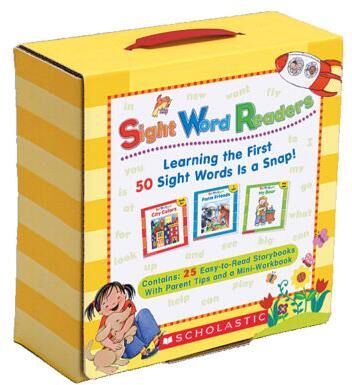
Scholastic Teaching Resources Sight Word Readers Parent PackHelp your child soar in reading with this set of 25 little books that teach 50 of the most frequently used words in print! Kids will love these playful stories they can read all by themselves. You'll love the fact that each one builds reading skills...23,99 $*Shipping: 0,00 $Secure redirect to the provider


-
What are renewable resources and renewable energy sources?
Renewable resources are natural resources that can be replenished or regenerated over time, such as sunlight, wind, and water. Renewable energy sources are sources of energy that come from these renewable resources, such as solar power, wind power, hydropower, and geothermal energy. These sources of energy are considered sustainable and environmentally friendly because they do not deplete the Earth's resources and produce lower levels of greenhouse gas emissions compared to fossil fuels. **
-
What are non-renewable resources in chemistry?
Non-renewable resources in chemistry are substances that are finite in quantity and cannot be easily replenished within a human lifetime. These resources are typically extracted from the Earth's crust and include fossil fuels such as coal, oil, and natural gas, as well as minerals like copper, gold, and uranium. The extraction and use of non-renewable resources can have negative environmental impacts, such as air and water pollution, habitat destruction, and greenhouse gas emissions. As these resources are depleted, it is important to find sustainable alternatives to meet our energy and material needs. **
-
How will future mobility be influenced?
Future mobility will be influenced by advancements in technology, such as the development of autonomous vehicles and electric cars. These innovations will lead to more efficient and sustainable transportation options. Additionally, the integration of smart city infrastructure and the rise of shared mobility services will also play a significant role in shaping the future of mobility. Overall, future mobility will be characterized by increased connectivity, reduced environmental impact, and a shift towards more convenient and flexible transportation solutions. **
-
Will bicycles be the mobility of the future?
Bicycles have the potential to be a significant part of the future of mobility. With increasing concerns about environmental sustainability and the need for more efficient and healthy modes of transportation, bicycles offer a promising solution. Cities around the world are investing in bike infrastructure and promoting cycling as a viable means of transportation. Additionally, the rise of electric bicycles and advancements in bike-sharing programs are making cycling more accessible and convenient. While bicycles may not be the sole solution to future mobility, they are likely to play a significant role in creating more sustainable and efficient transportation systems. **


What is the difference between fossil and renewable resources?
Fossil resources are non-renewable sources of energy that are formed over millions of years from the remains of plants and animals. Once these resources are depleted, they cannot be replaced within a human lifetime. On the other hand, renewable resources are sources of energy that are naturally replenished on a human timescale, such as sunlight, wind, and water. These resources are sustainable and can be used without the fear of depletion. **
What will mobility of the future look like?
The mobility of the future is expected to be more sustainable, connected, and autonomous. Electric vehicles will become more prevalent, reducing emissions and reliance on fossil fuels. Transportation systems will be interconnected, allowing for seamless travel between different modes of transportation. Autonomous vehicles will also play a significant role, offering safer and more efficient transportation options. Overall, the future of mobility will prioritize sustainability, efficiency, and convenience. **
Top-Angebote
Products related to Scholastic-Teaching-Resources-The:
-
Scholastic Teaching Resources AlphaTales Box Set"A set of 26 irresistible animal storybooks that build phonemic awareness and teach each letter of the alphabet. Box set includes:- 26 full-color, 16-page 8"" x 10"" storybooks- 128-page teaching guide with lessons and mini-book versions of each..."74,99 $*Shipping: 0,00 $Secure redirect to the provider
-
Scholastic Teaching Resources The Educator's Guide to Understanding Child DevelopmentThe Yale Child Study Center Guide to Understanding Your Child was a landmark essential resource for parents, offering accessible information on child development based on a deep understanding of brain research and psychology. Now that knowledge has...35,99 $*Shipping: 0,00 $Secure redirect to the provider
-
Scholastic Teaching Resources Spooky Time Decodable StoriesTime to take your child to the next level as a reader with this spooky set of humorous, highly decodable stories! Inside this box, you'll find 10 tales featuring 4-8 sentences per page and just-right text with words containing short and long vowels,...23,99 $*Shipping: 0,00 $Secure redirect to the provider
-
Scholastic Teaching Resources Scholastic Success With Grade 5 Value PackReinforce key skills with these exciting practice books!This set includes:Scholastic Success With Grade 5: Fractions & DecimalsScholastic Success With Grade 5: GrammarScholastic Success With Grade 5: MathScholastic Success With Grade 5: Math...41,59 $*Shipping: 0,00 $Secure redirect to the provider
-
Are renewable resources the same as sustainable resources?
Renewable resources and sustainable resources are related concepts but not exactly the same. Renewable resources are those that can be replenished naturally over time, such as sunlight, wind, and water. Sustainable resources, on the other hand, refer to resources that are managed in a way that meets current needs without compromising the ability of future generations to meet their own needs. While renewable resources are often considered sustainable, not all sustainable resources are necessarily renewable, as some non-renewable resources can be managed in a way that ensures their long-term availability. **
-
What are renewable resources and renewable energies?
Renewable resources are natural resources that can be replenished or regenerated over time, such as sunlight, wind, and water. Renewable energies are forms of energy that are derived from these renewable resources and can be used to generate electricity or heat without depleting the Earth's finite resources. These sources of energy are considered sustainable and environmentally friendly alternatives to fossil fuels, as they produce lower levels of greenhouse gas emissions and have minimal impact on the environment. **
-
What are renewable resources and renewable energy sources?
Renewable resources are natural resources that can be replenished or regenerated over time, such as sunlight, wind, and water. Renewable energy sources are sources of energy that come from these renewable resources, such as solar power, wind power, hydropower, and geothermal energy. These sources of energy are considered sustainable and environmentally friendly because they do not deplete the Earth's resources and produce lower levels of greenhouse gas emissions compared to fossil fuels. **
-
What are non-renewable resources in chemistry?
Non-renewable resources in chemistry are substances that are finite in quantity and cannot be easily replenished within a human lifetime. These resources are typically extracted from the Earth's crust and include fossil fuels such as coal, oil, and natural gas, as well as minerals like copper, gold, and uranium. The extraction and use of non-renewable resources can have negative environmental impacts, such as air and water pollution, habitat destruction, and greenhouse gas emissions. As these resources are depleted, it is important to find sustainable alternatives to meet our energy and material needs. **
Similar search terms for Scholastic-Teaching-Resources-The
-
Scholastic Teaching Resources Sight Word Readers Parent PackHelp your child soar in reading with this set of 25 little books that teach 50 of the most frequently used words in print! Kids will love these playful stories they can read all by themselves. You'll love the fact that each one builds reading skills...23,99 $*Shipping: 0,00 $Secure redirect to the provider
-
Scholastic Teaching Resources Guided Science Readers Pack DSet your child on the path to reading success with this exciting collection of little books on favorite science topics: sea turtles, ladybugs, chicks, ice cream, sea turtles, and many more. These level D books feature engaging photos paired with...23,99 $*Shipping: 0,00 $Secure redirect to the provider
-
Scholastic Teaching Resources Sight Word Readers Classroom Box SetJumpstart reading success with this irresistible collection of 125 little books that introduce and reinforce the first 50 must-know sight words! Each set includes a sturdy storage box stocked with 5 copies of 25 delightful tales—each presenting two...101,99 $*Shipping: 0,00 $Secure redirect to the provider
-
How will future mobility be influenced?
Future mobility will be influenced by advancements in technology, such as the development of autonomous vehicles and electric cars. These innovations will lead to more efficient and sustainable transportation options. Additionally, the integration of smart city infrastructure and the rise of shared mobility services will also play a significant role in shaping the future of mobility. Overall, future mobility will be characterized by increased connectivity, reduced environmental impact, and a shift towards more convenient and flexible transportation solutions. **
-
Will bicycles be the mobility of the future?
Bicycles have the potential to be a significant part of the future of mobility. With increasing concerns about environmental sustainability and the need for more efficient and healthy modes of transportation, bicycles offer a promising solution. Cities around the world are investing in bike infrastructure and promoting cycling as a viable means of transportation. Additionally, the rise of electric bicycles and advancements in bike-sharing programs are making cycling more accessible and convenient. While bicycles may not be the sole solution to future mobility, they are likely to play a significant role in creating more sustainable and efficient transportation systems. **
-
What is the difference between fossil and renewable resources?
Fossil resources are non-renewable sources of energy that are formed over millions of years from the remains of plants and animals. Once these resources are depleted, they cannot be replaced within a human lifetime. On the other hand, renewable resources are sources of energy that are naturally replenished on a human timescale, such as sunlight, wind, and water. These resources are sustainable and can be used without the fear of depletion. **
-
What will mobility of the future look like?
The mobility of the future is expected to be more sustainable, connected, and autonomous. Electric vehicles will become more prevalent, reducing emissions and reliance on fossil fuels. Transportation systems will be interconnected, allowing for seamless travel between different modes of transportation. Autonomous vehicles will also play a significant role, offering safer and more efficient transportation options. Overall, the future of mobility will prioritize sustainability, efficiency, and convenience. **
* All prices are inclusive of VAT and, if applicable, plus shipping costs. The offer information is based on the details provided by the respective shop and is updated through automated processes. Real-time updates do not occur, so deviations can occur in individual cases. ** Note: Parts of this content were created by AI.